
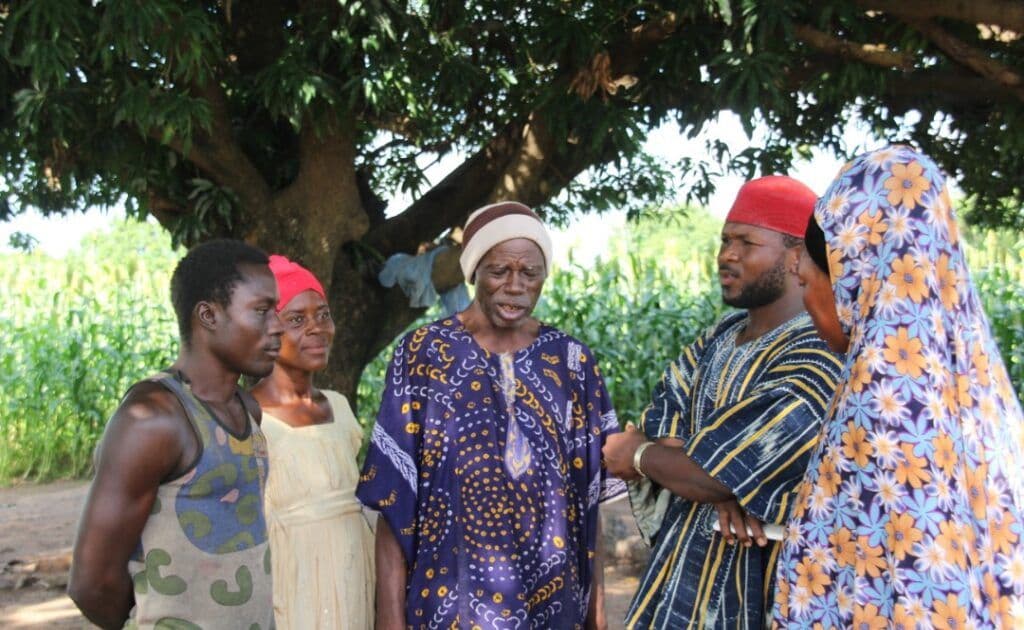
In the Third Quarter 2026 Mobile Vulnerability Analysis and Mapping (mVAM) report, the Ghana Statistical Service (GSS) revealed that 15.9% of agriculture‑dependent households experienced vulnerable food consumption between July and September 2026. This figure is more than double the national average of 6.6%, underscoring a stark paradox: the very people who produce Ghana’s food are often the ones who struggle to feed their families.
The report highlights that 22.6% of households—about 2.1 million homes—faced market access challenges in the month before the survey. Those without full market access recorded a 13.5% rate of vulnerable food consumption, compared with 4.4% among households with uninterrupted market access. The data point to a critical need for stronger market infrastructure and fair pricing mechanisms.
Regional disparities are pronounced. The North East Region recorded the highest proportion of vulnerable households at 42.2%, followed by Upper East at 30.1% and Upper West at 29.5%. These figures suggest that interventions must be tailored to local conditions rather than applied uniformly across the country.
Factors such as seasonal harvests, fluctuating farmgate prices, high production costs, post‑harvest losses and limited access to profitable markets compound the financial strain on smallholder farmers. The resulting income volatility forces many families to sacrifice nutritional quality during lean periods, further eroding health and well‑being.
Ghana’s agricultural transformation agenda—aimed at boosting domestic production, strengthening value chains and reducing import dependence—must therefore shift focus from output metrics to farmer livelihoods. Policies that improve income, market access, storage, processing and resilience are essential to translate food production gains into tangible food security for the very producers.
Policymakers are urged to adopt a holistic approach that prioritises the welfare of farmers and their families. By empowering farmers through resources, education and fair market opportunities, Ghana can build a resilient food system that benefits all citizens and fulfills its food security ambitions.