
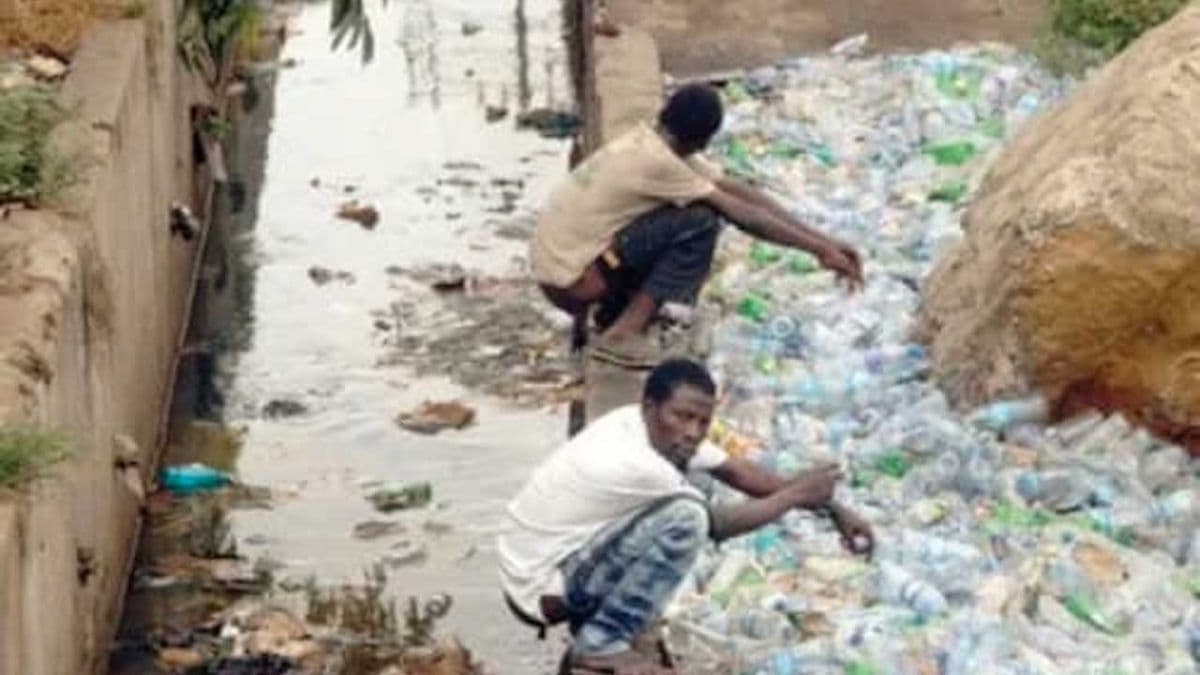
On 19 November 2026, Deputy Minister of Local Government, Chieftaincy and Religious Affairs Rita Naa Odoley Sowah announced at the National Commemoration of World Toilet Day in Bongo that an estimated 5.4 million Ghanaians continue to practice open defecation. She described the situation as a national emergency that demands urgent and collective action.
She highlighted that the country spends about $290 million each year to tackle poor sanitation, money that could otherwise be directed toward building schools, clinics and roads. “That is money that could build classrooms, clinics and roads,” she said, stressing that the problem has a woman’s face and extends beyond public health to affect the safety, dignity and educational opportunities of women and girls.
The commemoration, held in partnership with WaterAid Ghana under the theme “From Open Defecation to Open Opportunity through the Gender Lens”, brought together traditional authorities, government officials and development partners to renew commitments to improve sanitation. The event also celebrated progress in other districts, though Bongo remains a stark outlier.
According to the 2021 Population and Housing Census, about 80 % of Bongo’s residents practice open defecation, a figure corroborated by WaterAid Ghana’s 2024 World Service Level Assessment, which found the district’s rate more than four times the national average of roughly 18 %. “The irony, therefore, is that while the country is making progress in the fight against open defecation, Bongo appears to be moving in the opposite direction,” said Paramount Chief Naba Baba Salifu Atamale Lemyaarum.
In response, Bongo’s traditional council launched the Bongo Sanitation Challenge after signing a district Water, Sanitation and Hygiene (WASH) Compact in September 2025. The initiative has led to the construction of 690 household toilets, an investment of about GH¢2 million, and sanitation access for approximately 3,700 people. The council has also established a WASH Fund to support poor and vulnerable households and aims to eliminate open defecation by 2030.
WaterAid Ghana Country Director Ewurabena Yany‑Akufur emphasized that sanitation is a matter of public health, equality and human dignity, noting that unsafe toilets disproportionately affect girls, pregnant women, older persons and people with disabilities. She called for stronger local government delivery systems, effective regulation and sustained behavioural change to complement infrastructure investments.
Upper East Regional Minister Donatus Akamugri Atanga urged all 15 municipal and district assemblies to prioritise sanitation, improve toilet access and intensify public education. He praised the inauguration of the Bongo WASH Fund Committee as a significant step toward mobilising resources for sanitation interventions.
Moving forward, the ministry plans to allocate a proportion of its annual sanitation budget to Metropolitan, Municipal and District Assemblies, ensuring that the funds earmarked for sanitation reach the communities that need them most.