
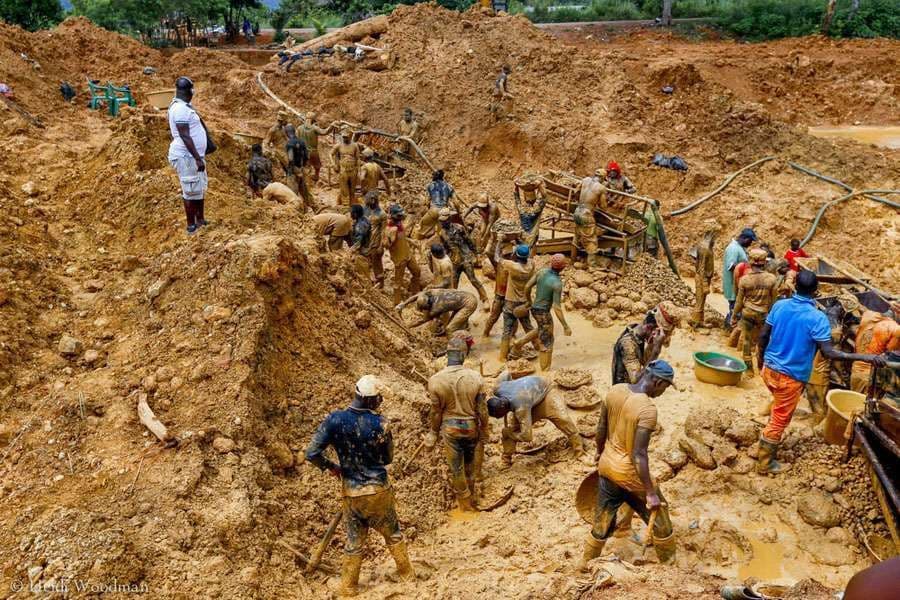
Illegal small‑scale mining, known locally as galamsey, is crippling Twifo Oil Palm Plantation (TOPP) Limited in the Twifo Atti Morkwa District of the Central Region. Managing Director Daniel Kwodwo Nyame warned that the activity is siphoning trained workers away from the plantation and contaminating the Pra River, a vital water source for the company.
Despite heavy investment in training workers for harvesting, pruning, equipment maintenance and other technical tasks, many have abandoned their posts for the higher incomes offered by illicit mining. As a result, TOPP is currently achieving only about 50 per cent of its targeted 80 per cent harvesting capacity, jeopardising production and long‑term sustainability.
TOPP employs roughly 500 permanent staff, with a seasonal workforce that can swell to 2,000, making it the largest agro‑processing employer in the Central Region. The company operates 8,000 hectares of oil palm plantations and a 30‑tonne processing mill, with plans to double its plantation area to 16,000 hectares and expand the mill to 45 tonnes.
Mr Nyame expressed concern over the Pra River’s pollution, noting that the river was once an alternative water source during dry periods but is now heavily contaminated. He thanked the District Chief Executive and security teams for helping clear the river of illegal miners.
Beyond water and labour, smuggling of palm oil is undermining local producers. Imported oils, often originating in Asia and entering Ghana through unapproved routes in the Volta, Northern and Western regions, are sold at up to 20 per cent lower prices than locally produced oil, forcing local producers to offer steep discounts to attract buyers. The influx also hurts local soap manufacturers that rely on palm oil and its by‑products.
Mr Nyame urged stronger enforcement and sustained government action. He noted that the Tree Crops Development Authority has intervened, but a long‑term solution requires continued engagement with the government to curb smuggling and protect the industry.
Oil Palm Development Association of Ghana President Paul Amaning echoed these concerns, calling for regulation of imported vegetable oils and a traceability system that would code every litre of imported oil. He also appealed for the US$500 million fund earmarked for the oil palm industry to be directed toward improving processing facilities, expanding plantations, training personnel and strengthening regulatory enforcement.
Amaning further urged the government to support the establishment of 100,000 hectares of oil palm plantations nationwide, which could yield an estimated 300,000 tonnes of crude palm oil annually and move Ghana toward self‑sufficiency.
TOPP and industry leaders now await decisive government action to stem the tide of galamsey and smuggling, which threaten the viability of Ghana’s burgeoning oil palm sector.