
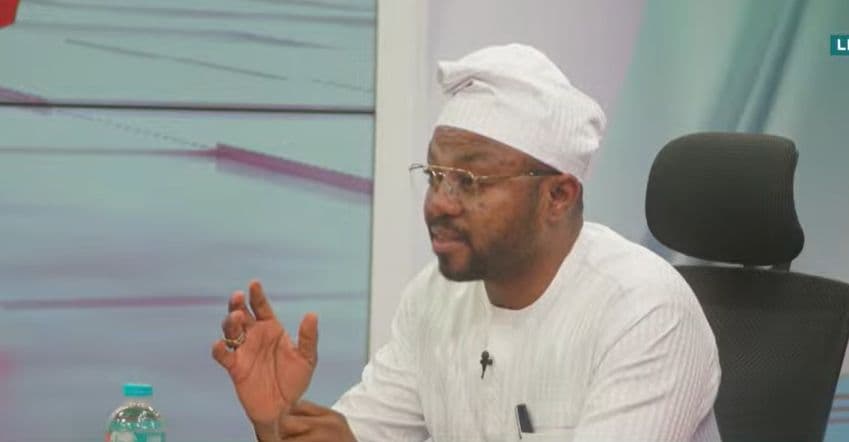
On Saturday, November 28, Dr Prince Armah Hamid, former Member of Parliament for Kwesimintsim, criticised the Education Minister’s directive that imposes a two‑year ban on pupils who attempt to sit the Basic Education Certificate Examination (BECE) before their scheduled year. He argued that schools, parents and teachers who facilitate irregular registrations should be held accountable instead of the students.
Speaking on Channel One TV’s The Big Issue with Umaru Sanda Amadu, Dr Armah noted that the previous New Patriotic Party administration dealt with such cases by holding schools responsible and nullifying registrations that did not meet the required conditions. He said the directive unfairly punishes pupils for actions that may have been facilitated by adults, especially when school authorities or parents falsify continuous assessment records to enable early examination registration.
“We never under any circumstances ban any student for two years. It never happened,” he said. “The principle is that liability must be personal. If an adult has committed, so to speak, any offence or falsified a document, you must punish the adult, which is the teacher or the school or the parent.” Dr Armah added that falsifying public documents is a criminal offence and should be addressed through appropriate accountability measures.
He warned that a two‑year ban could leave pupils unable to progress to the next stage of their education even after completing Junior High School. “If that child is in JHS 2 and you ban the child for two years after JHS 3, the child will still stay at home or stay in the school to be able to serve that two‑year ban before they write the exams,” he said.
The comments follow Education Minister Haruna Iddrisu’s directive to the Ghana Education Service to impose a two‑year ban on JHS 1 and JHS 2 pupils who attempt to sit the BECE before their scheduled examination year. The Ministry has since said it will develop criteria to guide early registration for exceptionally gifted pupils.