
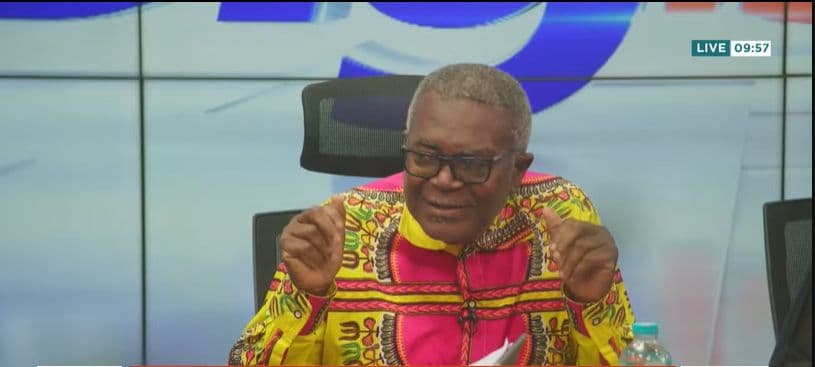
On Saturday, November 28, former Director‑General of the Ghana Education Service (GES), Aheto Tsegah, warned that weaknesses in the teacher recruitment and deployment process are creating uneven staffing across the country. Tsegah, speaking on The Big Issue, said the current system does not adequately account for specific gaps in individual schools, resulting in some institutions receiving more teachers than needed while others continue to face shortages.
He explained that the earlier posting system relied on regional and district‑level assessments to determine where newly recruited teachers were required. Graduating teachers could indicate their preferred areas of service, but postings were ultimately driven by staffing needs and a policy that required new teachers to begin their careers in rural communities. The shift to centralised postings at GES headquarters, he said, has reduced the effectiveness of this approach.
Under the new arrangement, GES can assign teachers directly to schools without sufficient consultation with regional and district education authorities. Tsegah noted that this has sometimes led to multiple teachers being posted to schools that already have adequate staff, with personal interests influencing placement decisions. “A school could have the same teacher, but plenty of them, because somebody wants to be in that place and the person must be placed there,” he said.
Calling for a reorganisation of the recruitment and deployment process, Tsegah insisted that postings should be guided by reliable data on staffing levels and vacancies in individual schools. “Data is what we need to really go by and ensure that we get things right,” he added. He also criticised the policy allowing newly recruited teachers to choose their preferred districts, describing it as ineffective in addressing the country’s teacher distribution challenges. “This policy of choose your district and go there, for me, it’s not the best,” he said.
Ghana’s education sector will need to address these systemic issues to close the widening gaps and ensure that every school has the appropriate number of qualified teachers.